SWARAJ Sethu: Unified DevSecOps Platform from Code to Production
TL;DR: SWARAJ Sethu is a unified DevSecOps platform from ESDS that brings source control, CI/CD, security scanning, infrastructure as code (Terraform and Ansible), multi-cluster Kubernetes, configuration, observability and governance into one connected environment, from code to production. This article explains how DevSecOps differs from DevOps, how DevSecOps tool sprawl causes context switching, broken handoffs and fragmented visibility, and what each stage of the platform does. It also covers the benefits for DevOps, platform engineering, security and compliance teams. Key capabilities include security scans that run by default, multi-tenancy with tenant isolation, granular RBAC and auditability. Deployment options are self-hosted (including air-gapped) or SaaS on SWARAJ Cloud.
A software release today rarely travels through one system. Code sits in one tool, pipelines run in another, and security scans, infrastructure, Kubernetes clusters and dashboards each have a console of their own. Each tool solved a real problem when it was added; together, they create a new one.
That new problem is fragmentation. As the toolchain grows, the delivery lifecycle becomes harder to see as a whole, harder to govern and slower to move through.
SWARAJ Sethu is built to close that gap. It is unified DevSecOps platform, bringing development, security and operations into one connected environment, from code to production.
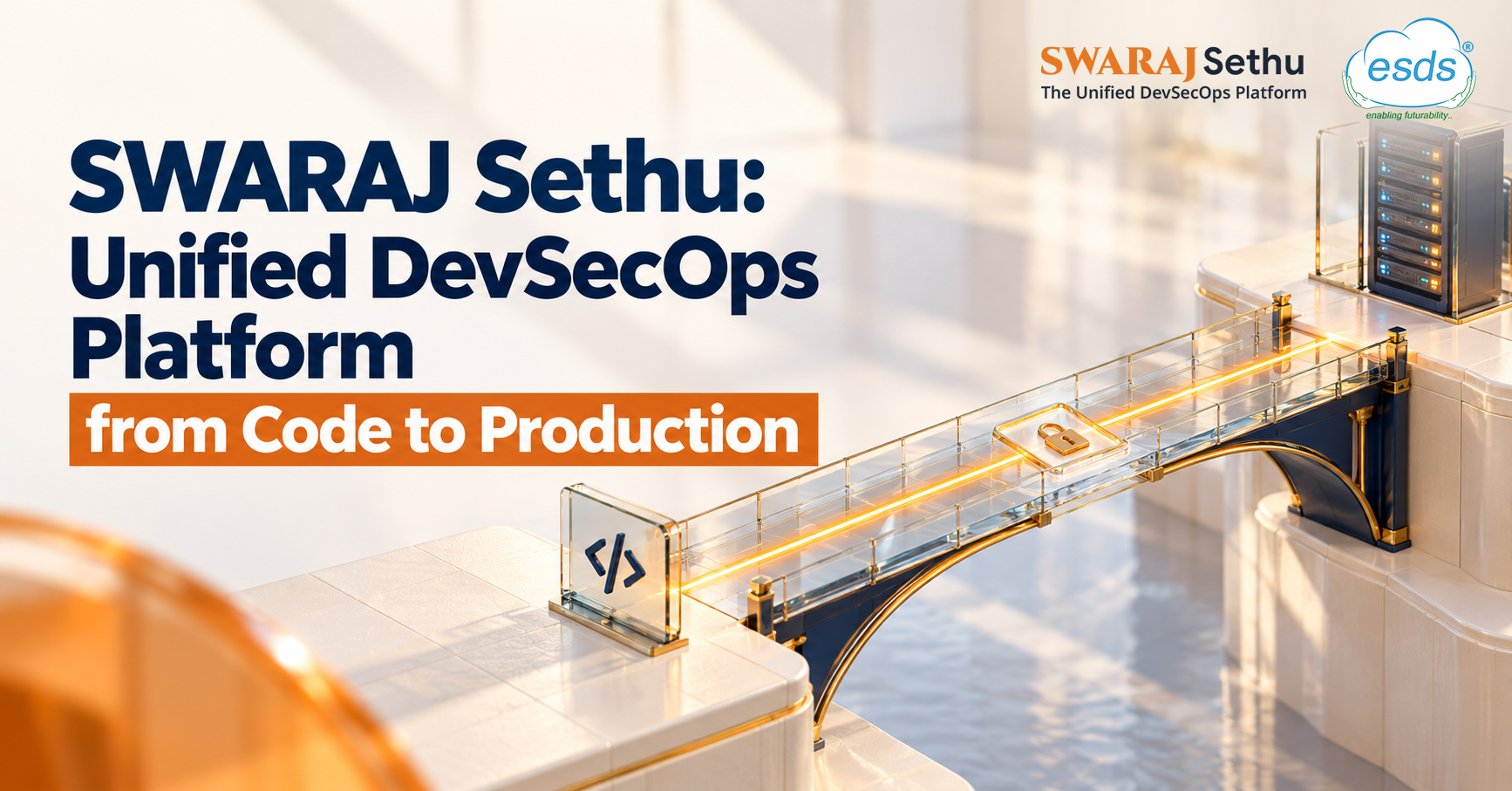
The name carries the idea. In Indian tradition, a sethu is a bridge: the structure that joins two shores and makes a once-impossible crossing possible. SWARAJ Sethu applies that idea to software delivery, bringing together what usually stands apart.
DevOps vs DevSecOps: what actually changes
DevSecOps is DevOps with security built into every stage of delivery, rather than checked at the end.
DevOps brought development and operations teams together to ship software faster and more reliably. It runs on automation, collaboration, fast feedback and continuous improvement, so changes move to production in smaller, quicker steps.
That speed exposed a gap. When security is reviewed only before release, it either slows everything down or gets skipped. DevSecOps closes the gap by weaving security into the lifecycle, from the first line of code through deployment, and by making it a shared responsibility of development, security and operations teams.
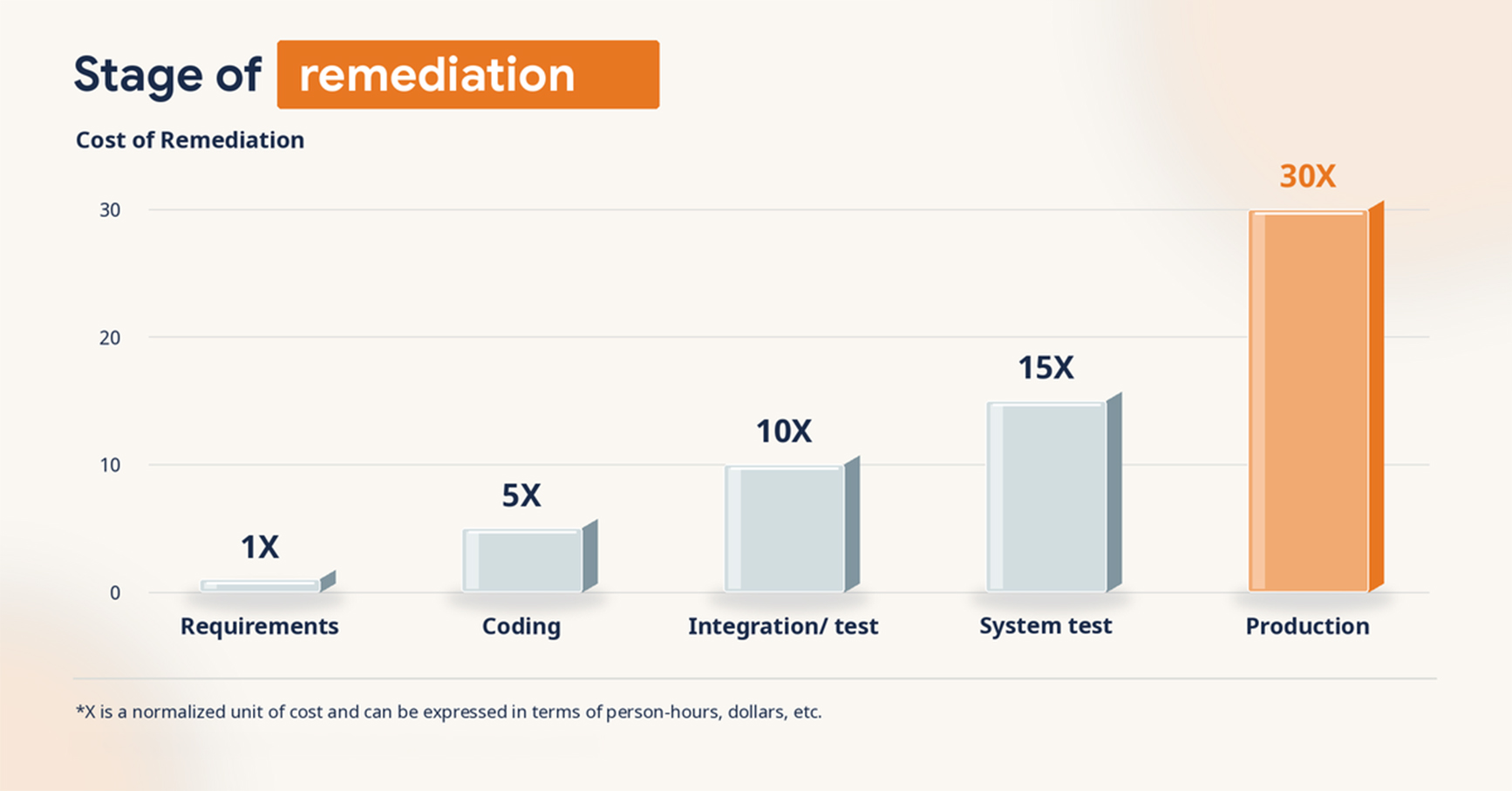
The attack surface has grown as well. Containers and orchestrators such as Kubernetes now need protection alongside the application itself, which makes automated, built-in security more important.
This is the model SWARAJ Sethu is built around: DevSecOps scans run by default, inside the same platform that manages pipelines, infrastructure as code and Kubernetes. There is a catch in DevSecOps, though. Building security into every stage often means adding another tool at every stage, and the stack keeps growing.
DevSecOps tool sprawl: when more tools mean less flow
The trouble with a large toolchain is rarely any single tool. It is the space between them, where work changes hands and context get lost.
- Tool sprawl. One software delivery lifecycle can involve ten or more tools. Each adds its own interface, integrations and dependencies to manage.
- Constant context switching. Engineers move between tools, dashboards and environments just to finish one workflow, and momentum drops at every switch.
- Broken workflow continuity. Every handoff between development, security and operations is a point where work can slow down, break or lose its context.
- Fragmented visibility and control. When systems are disconnected, no one has a single view of what is happening between code and production.
- Growing operational overhead. Each additional tool brings more integrations, permissions, upgrades and dependencies for teams to maintain.
Every disconnected tool is one more place where access must be controlled and activity must be auditable.
What’s Actually SWARAJ Sethu?
SWARAJ Sethu is a unified DevSecOps platform that consolidates the core stages of software delivery into one connected environment. Instead of stitching together separate tools, teams work from a single platform built to carry a change from code to production.
From code to production in one connected flow
SWARAJ Sethu spans the delivery lifecycle from source control to governance. Each stage below sits in the same environment as the ones before and after it.
- Source control. Where code lives and every change is tracked. Sethu integrates source control into the same environment as everything that follows.
- CI/CD. Where code is built, tested and released. A built-in CI/CD pipeline builder means pipelines are defined inside the platform, not in a separate tool.
- Security. DevSecOps scans run by default as part of the flow, rather than as an optional step added at the end.
- Infrastructure as code. Sethu orchestrates Terraform and Ansible, so infrastructure provisioning and configuration are handled alongside application delivery.
- Kubernetes. Multi-cluster Kubernetes operations give teams one place to work across their clusters.
- Configuration. Configuration is managed within the same platform, instead of in yet another system.
- Observability. Visibility into what is running sits beside the code and pipelines that put it there.
- Governance. Granular role-based access control (RBAC), auditability and tenant isolation are built in, so oversight travels with the work through every stage.
What benefits does it gives?
A unified platform touches everyone in the delivery chain, but each group feels the difference in its own way.
- For DevOps and platform engineering teams
Less time spent maintaining integrations between tools, and less switching between consoles. Pipelines, Terraform and Ansible orchestration and multi-cluster Kubernetes operations sit in one environment. Multi-tenancy lets a platform team serve many product teams from one platform, each kept separate.
- For security and compliance teams
Security scans run by default, so security becomes part of the pipeline rather than a gate at the end. Granular RBAC, auditability and tenant isolation give these teams control across the lifecycle, without chasing evidence across separate systems.
- Bridging the divide
The DevSecOps divide is rarely caused by one bad tool. It builds up slowly, one integration and one dashboard at a time.
Conclusion
SWARAJ Sethu is designed to close it, bringing development, security and operations into one connected flow, on infrastructure the organisation chooses. It is a bridge between the teams that write code, the teams that secure it and the teams that run it.
Watch the walkthrough on the SWARAJ Sethu , or talk to an ESDS expert about bringing your DevSecOps stack together.
Frequently asked questions
What is SWARAJ Sethu?
SWARAJ Sethu is a unified DevSecOps platform. It brings source control, CI/CD, security, infrastructure as code, Kubernetes, configuration, observability and governance into one connected environment.
Can SWARAJ Sethu run in an air-gapped environment?
Yes. It can be self-hosted within an organisation’s own infrastructure, including air-gapped environments, or deployed as SaaS on SWARAJ Cloud.
Does it support multiple teams and projects?
Yes. Sethu is multi-tenant by design, with tenant-level isolation, 73 tenant-scoped data models and 88+ granular RBAC permissions.
Is security built into the pipeline?
Yes. DevSecOps scans run by default, so security checks are part of the delivery flow rather than a separate step.

- SWARAJ Sethu: Unified DevSecOps Platform from Code to Production - October 15, 2026
- Real-Time AI Monitoring for Better Model Performance - October 13, 2026
- Top Enterprise Use Cases for GPUaaS in AI & HPC - September 30, 2026