14
Feb
What are the Types of Disaster Recovery?
Documents, files, servers, and apps are essential to the daily operations of businesses. When sensitive data or a critical system is lost or goes offline, it can significantly affect a business, resulting in financial losses, reputational damage, and even legal liability. A ransomware attack causes 16.2 days of downtime on average. And, I bet no... Read More
13
Feb
8 Digital Transformation Technologies and Their Business Impact
What are Digital Transformation Technologies? Digital transformation is the process of reshaping the company’s operations via the use of digital technologies to increase productivity, boost engagement, and enhance user experience. Digital transformation may entail developing a digital version of already-existing products or services, improving the operational effectiveness of already-existing companies, or even developing entirely new... Read More

08
Feb
Database management System– Your guide to managing the data lifecycle
Using database management, a human can organize, store, and retrieve data from a computer. Database management is another term for a database administrator’s (DBA) procedures for data storage, operations, and security throughout the data life cycle. Database administration is not a single thing; instead, it refers to a set of procedures (and, for some, a... Read More
08
Feb
SOC-as-a-Service – Is it the best way for UCBs to adhere to RBI’s revised Comprehensive Cyber Security Framework (CCSF)?
The Reserve Bank of India (RBI) has recently revised its Comprehensive Cyber Security Framework (CCSF) to improve the cyber security of banks, particularly the Urban Co-operative Banks (UCBs). The revised framework highlights the need for UCBs to adopt the SOC-as-a-Service model to ensure compliance with the new norms. What is SOC-as-a-Service? SOC-as-a-Service is a managed... Read More
07
Feb
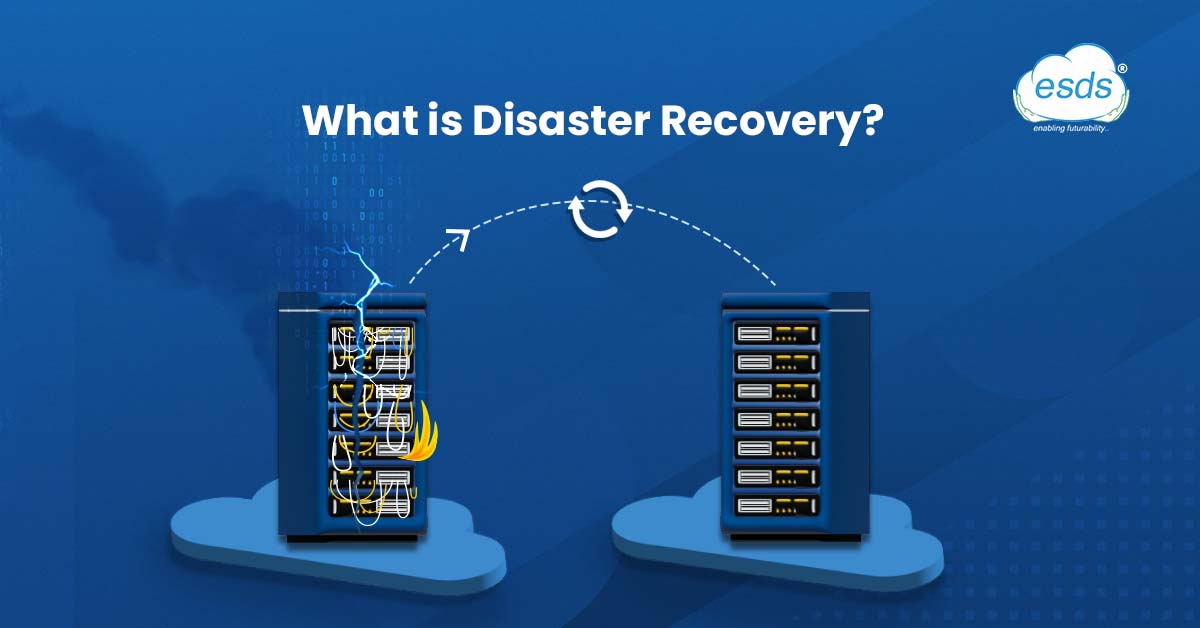
What is Disaster Recovery?
What is a Disaster? In terms of IT, a disaster refers to any major negative event that disrupts or destroys a computer system, network, or data center, resulting in significant data loss, downtime, or other operational problems. Examples of IT disasters include: Disasters of this nature can significantly impact businesses, governments, and individuals, causing financial... Read More
02
Feb
Top 10 types of cyber-attacks that can compromise an organization’s security
Cyber-attacks are a growing threat to organizations of all sizes, and it is critical for companies to understand the various types of attacks they may face. Here are the top 10 types of cyber-attacks that can hamper an organization’s security: Top 10 types of cyber-attacks Phishing: This type of attack is used to steal sensitive... Read More
02
Feb
What is Recovery Point Objective (RPO)? – A Detail Guide
RPO Definition Recovery Point Objective (RPO) is a metric that defines the maximum acceptable amount of data loss a business or organization can tolerate in the event of a disaster or data loss situation. It represents the time when a company’s data must be recovered to minimize the impact of a disaster on its operations. The... Read More
30
Jan
Inside a Ransomware Attack: How It Works and What Happens
It’s no secret that ransomware attacks are making headlines these days. Businesses of all sizes and sectors, from enterprises to SMBs, are increasingly targeted by both commodity and human-operated ransomware. But what actually happens during an attack, and what potential repercussions, operational or legal, can it have for your business? We’ll take a deep dive... Read More
27
Jan
Is Your Organization Ready For the New CERT-In Guidelines?
Here’s the best way to prep your IT infrastructure and manpower for these new cybersecurity directives 12.67 lakh was the number of Cyber Attacks registered in India till November 2022. With this severity there was a rising need of stringent directives and guidelines in order to enhance and strengthen the cyber security of the country.... Read More
25
Jan
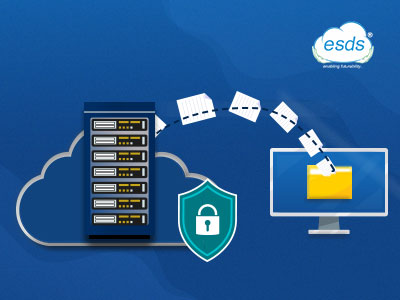
Your ultimate guide to a data backup strategy
Organizations shouldn’t take cybersecurity lightly. Anti-virus software alone is not adequate to protect your critical files. Hackers spend a lot of effort devising workarounds. They eventually will. Once that happens, you won’t have to worry about your data being lost forever if you have a backup strategy in place to protect the data for your... Read More