The Infrastructure Behind Managed Digital Transformation

For over two decades, ESDS has supported the digital backbone of governments, financial institutions and enterprises across India. Our Indian-owned Tier III certified and MeitY empanelled data centers provide the indigenous, scalable and compliant infrastructure trusted for mission-critical operations

Infrastructure Engineered for Scale

5
Data Centres Across Locations
99.95 %
Uptime SLA. Every Facility. By Design
Tier III
Certified · All Locations. No Exceptions
100 %
Domestically Owned · Zero Foreign Jurisdiction
20 +
Years of Managed Digital Infrastructure
24 X 7
Support & Uninterrupted Operations

Our Data Center Footprint

Behind every digital transformation initiative lies infrastructure that must perform without compromise. ESDS delivers the geographic reach, operational resilience and enterprise-grade security required to support growth at any scale.

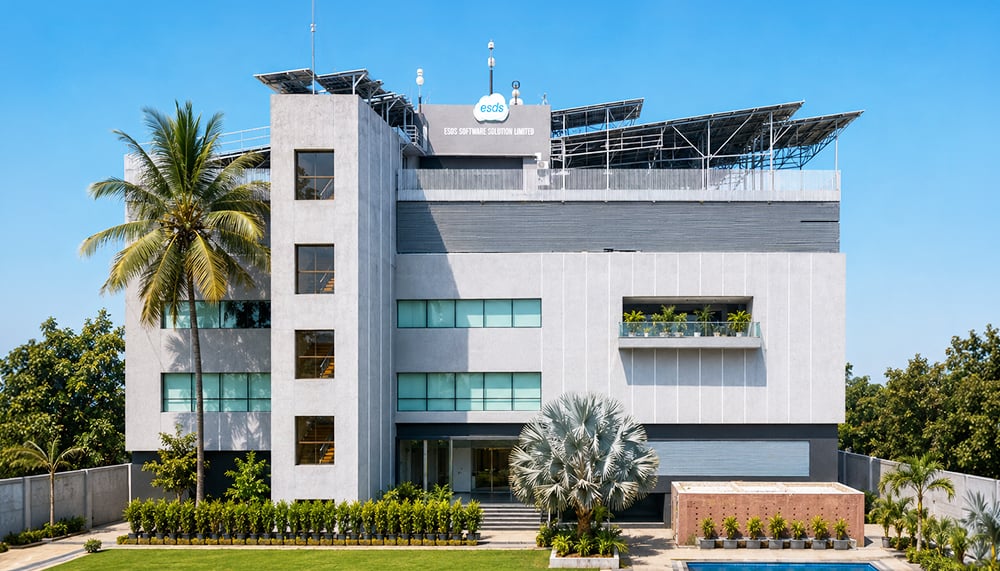
Nashik

ESDS Nashik DC

  • Where ESDS’s Data Center Journey Began

Nashik is where ESDS began building its data center and managed infrastructure capabilities. What started here has grown into a wider infrastructure footprint serving businesses and institutions across India. The facility supports Enterprise, BFSI, Government and PSUs and other workloads through managed data center and cloud infrastructure.
DC-Mumbai

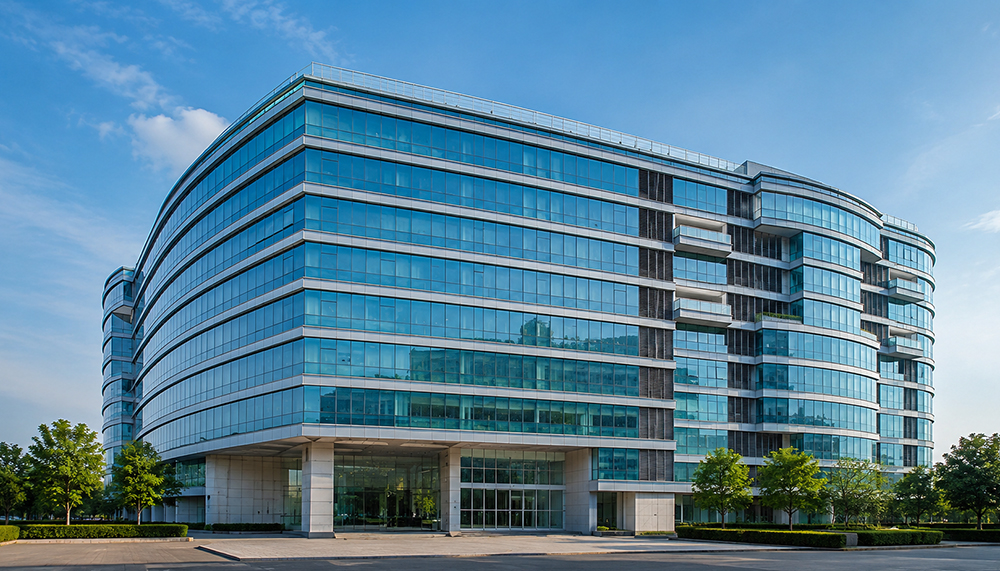
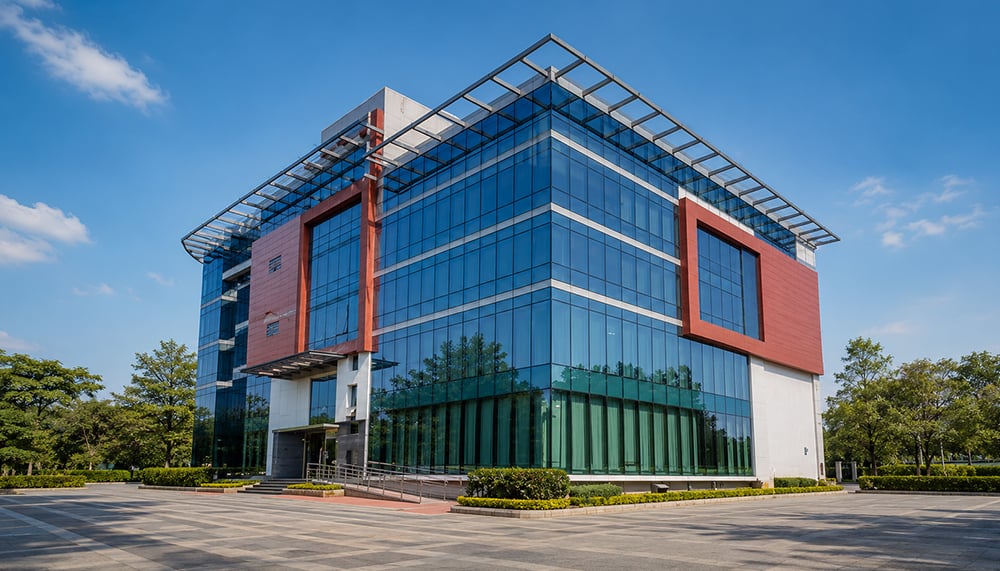
ESDS Airoli DC

  • Built in Navi Mumbai. Built to Serve a Growing India .

ESDS Airoli DC strengthens the company’s data center presence in the Mumbai metropolitan region and adds capacity to its distributed infrastructure footprint. Located in Navi Mumbai, the facility supports enterprise and business workloads across sectors and geographies. Its location provides a strategic base for organisations looking to operate workloads closer to major business and technology centres while using managed data center infrastructure.

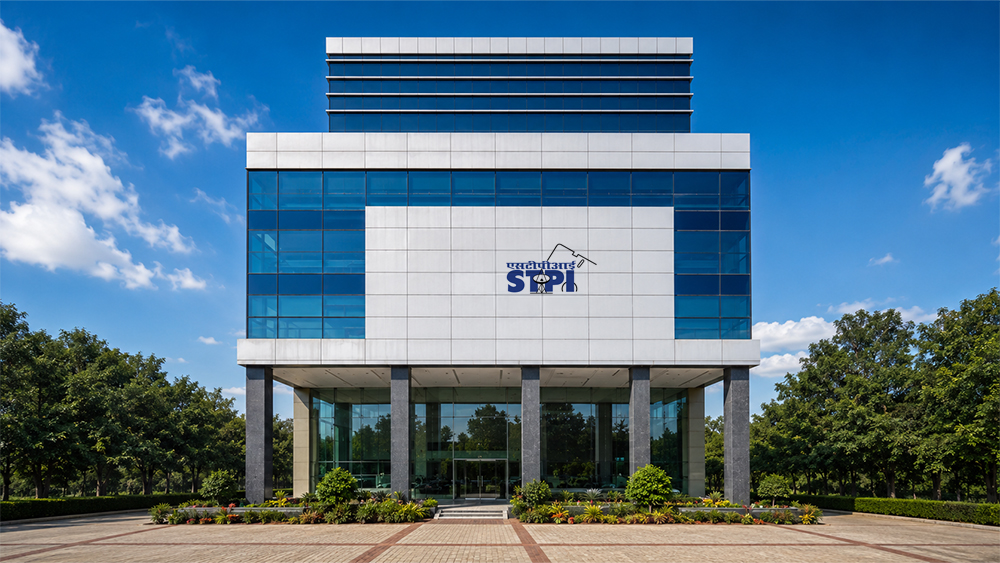
DC-STPI-Bengaluru

ESDS - STPI Bengaluru DC

  • Infrastructure for India’s Technology Economy

Bengaluru is home to one of India’s largest technology ecosystems. ESDS STPI Bengaluru DC supports enterprises, Government & PSU organisations and BFSI institutions, along with digital businesses and technology-led workloads. The facility is equipped to support high-performance computing, modern application environments and connected enterprise workloads across diverse technology requirements.

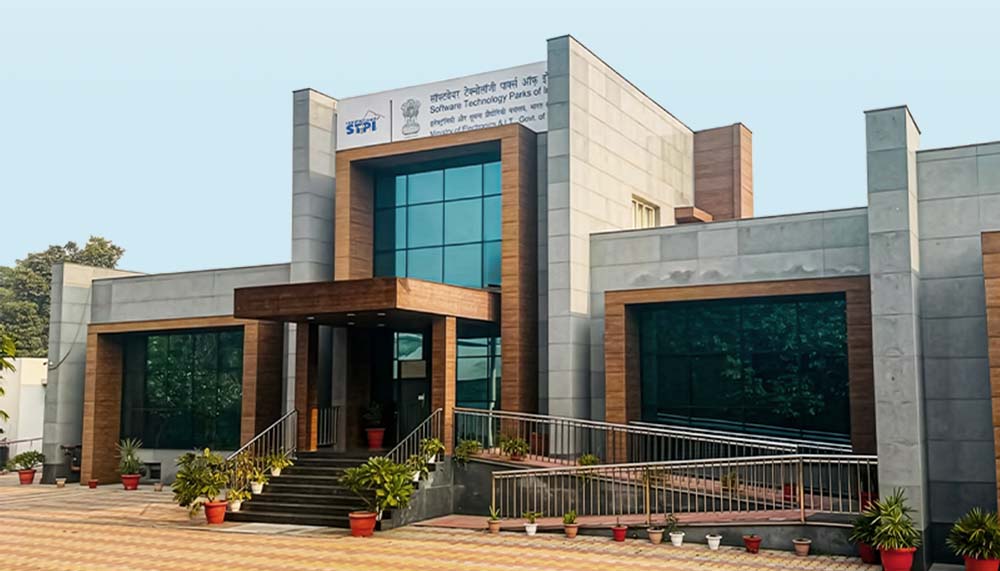
DC-STPI-Mohali

ESDS - STPI Mohali DC

  • Extending ESDS Infrastructure Across Northern India

ESDS STPI Mohali DC extends the company’s data center presence into northern India and adds to its geographically distributed infrastructure footprint. The facility supports enterprise and government workloads through managed data center infrastructure. Its location also provides an additional geographic option for organisations planning distributed infrastructure, workload placement and continuity strategies.

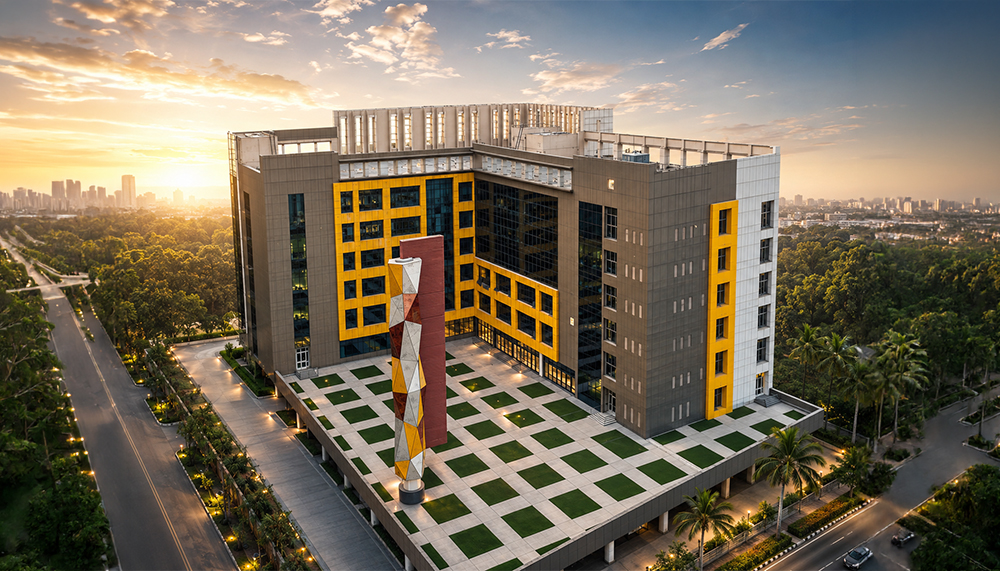
DC-STPI-Noida

ESDS - STPI Noida DC

  • Serving the Enterprise and Government Ecosystem of the NCR

ESDS STPI Noida DC extends the company’s managed infrastructure presence in the National Capital Region, one of India’s key centres for enterprise, government and digital activity. The facility supports enterprise, government and PSU workloads across a range of infrastructure and cloud requirements. Its location, connectivity and operating environment add to ESDS’s distributed infrastructure footprint for organisations with diverse workload and deployment needs.

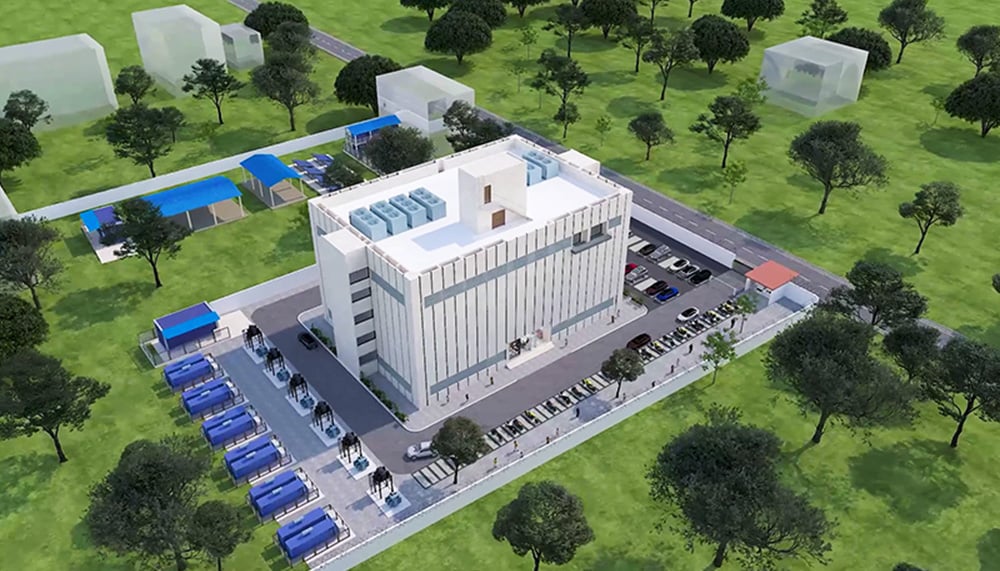
DC-STPI-Kolkata

ESDS - STPI Kolkata DC (Upcoming)

CEL-ESDS

ESDS - CEL Ghaziabad DC (Upcoming)


This Is What Tier III Looks Like in Practice

Tier III certification means concurrent maintainability i.e. infrastructure components can be serviced without impacting live workloads. Here is what that standard looks like inside every ESDS data center. Not on paper. In practice.

Power

Power

  • Dual utility power feeds
  • N+N redundant UPS architecture
  • N+1 automated diesel generator backup
  • Automatic transfer switch with near-instantaneous failover
  • Scalable rack PDUs from 3kW to 20kW
  • Zero single point of failure

Not designed to recover from failure, designed to never experience it.

Cooling

Cooling

  • Precision CRAC units with N+1 redundancy
  • Hot and cold aisle containment
  • Under-floor plenum distribution
  • IoT-based DCIM temperature and humidity monitoring
  • Enhanced thermal management zones for GPU and high-density compute racks

Your hardware runs at the temperature it was designed for. Always.

Structured Cabling

Structured Cabling

  • OM4 multimode and OS2 single-mode fibre
  • Cat6A copper throughout
  • Colour-coded, labelled and fully documented
  • Hot and cold aisle separation maintained at cable tray level

Nothing improvised. Nothing undocumented. Every cable has a name, a path and a reason.

Connectivity

Connectivity

  • Multi-Gbps fibre-optic backbone network
  • Multi-homed ISP architecture with BGP full-table routing
  • Carrier-neutral meet-me room
  • Cross-connect and MPLS capable
  • Inter-DC low-latency replication links for active-active DR

No single ISP dependency. Ever.

Fire Protection

Fire Protection

  • VESDA aspirating smoke detection catches fire before it starts
  • Pre-action zoned suppression
  • Fire-rated walls, floors and compartmentalization to BS 476 standards

No water anywhere near your hardware.

NOC and Monitoring

NOC and Monitoring

  • 24×7×365 on-site NOC with DCIM platform integration
  • Real-time telemetry across power, cooling, network and environmental parameters
  • SNMP, Syslog and NetFlow monitoring
  • Predictive maintenance via threshold-based alerting

Not a remote NOC watching dashboards. Engineers on the ground. Always.

Built for Workloads Where a Security Breach Is Simply Not an Option

Physical security is not a feature. It is the first condition of managed infrastructure. Every ESDS data center implements seven concentric layers, from the perimeter to the rack. Each layer assumes the previous one has been breached.

Perimeter Security

  • Secured facility boundaries
  • Monitored entry and exit points
  • Surveillance coverage across critical external zones

Controlled Facility Entry

  • Visitor logging and identity verification processes
  • Controlled vehicle and personnel access mechanisms
  • Authorized access management procedures

24×7 CCTV Monitoring

  • Continuous video surveillance across critical facility areas
  • Centralized monitoring and recording systems
  • Security visibility across operational zones

Controlled Access Zones

  • Layered entry systems for sensitive infrastructure areas
  • Restricted access workflows for controlled environments
  • Access designed to reduce unauthorized movement within facilities

Biometric Authentication

  • Biometric-enabled access control for designated zones
  • Multi-level authentication workflows for sensitive infrastructure areas
  • Access restricted to authorized personnel

Zone-Based Access Control

  • Granular access permissions across operational environments
  • Access logging and audit trail visibility
  • Controlled movement across infrastructure zones

Dedicated Deployment Environments

  • Support for isolated or dedicated deployment environments, where required
  • Controlled access procedures for client-specific infrastructure areas
  • Designed to support enterprise security and compliance requirements

How we do it

Government of Maharashtra
Green IT Infrastructure Award. Maharashtra IT Awards 2010

Energy efficiency is not a marketing add-on. It is an engineering principle built into every facility.


Compliance-Ready. Audit-Cleared

ESDS data centers hold the international and applicable compliance certifications including ISO, PCI DSS 4.0, SOC I/II/III, CMMI Level 5, MeitY empanelled, STQC audited and Tier III TIA-942 rating. Certification coverage varies by facility - your compliance team can request the current certification matrix for any specific location. The documentation exists, is current and is available on request.

The Workloads That Cannot Afford
to Be Anywhere Else.

Banking systems | Government programmes | Enterprise SAP landscapes | National AI infrastructure

The organizations that run on ESDS did not chose managed ground as a preference. They chose it because there was no alternative.

Sectors
01

BFSI

ESDS's banking infrastructure runs on managed ground. ₹19.2 trillion processed. 353 million beneficiaries served.
02

Government

not an option and data Data Residency is a constitutional obligation, not a preference.
03

Enterprise

A leading demanding enterprise workloads. Manufacturing, real estate, retail, energy — all on managed infrastructure.
04

AI Infrastructure

ESDS's banking infrastructure runs on managed ground. ₹19.2 trillion processed. 353 million beneficiaries served.

The workloads that matter most are already here. Is yours?

Questions Before You Deploy

01

What compliance certifications does ESDS hold for regulated and mission-critical workloads?

ESDS data centers carry an exhaustive compliance stack built for audit-ready deployments - ISO 27001:2022, ISO 27701:2019, PCI DSS 4.0, SOC I and II, CMMI Level 5, TIA 942-B Rated 3 and MeitY empanelment for Government Cloud. Whether you are a bank, a government body or a listed enterprise, the documentation is current, complete and available on request.

02

How does ESDS ensure business continuity if one data center goes down?

With six Tier III certified facilities across Nashik, Navi Mumbai, Bengaluru, Mohali, Noida and Kolkata, ESDS offers maximum geographic separation for DR pairing. Each facility runs N+N redundant UPS, N+1 diesel generators with 24-hour onsite fuel and 24x7 on-site NOC, so a regional event at one location does not cascade into a workload failure.

03

Does ESDS support air-gapped or isolated deployments for sensitive workloads?

Yes. ESDS offers private caged suites where even ESDS personnel require client authorisation to enter. For workloads that demand absolute isolation like defence, classified government data, sensitive financial systems, the physical and logical controls enforce your rules at the infrastructure level.

Make the Shift Towards Managed, Secure & Complaint Infrastructure