Sovereign Colocation Built for Critical Infrastructure
ESDS provides carrier-neutral colocation services from Tier III certified data centers in India, enabling enterprises to host everything from single servers to private caged suites with high availability, N+1 power redundancy, physical security and data residency under Indian jurisdiction.
6
+
Sovereign Data Centers Across India
Tier III
Certified · All Data Centers
99.95
%
Uptime SLA. Every Facility. By Design
SOC 1/2/3
Enterprise Compliance Standards
20
+
Years of Sovereign Digital Infrastructure in India
24
X
7
Data Center Support
Built on Demand. Built Sovereign
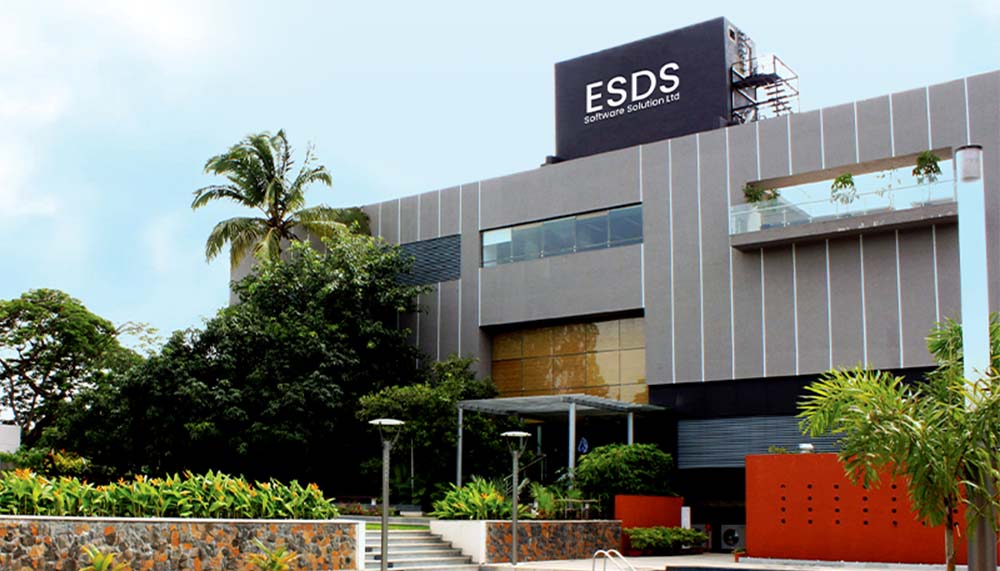
ESDS operates sovereign colocation data centers across strategic locations in India, supporting enterprise, BFSI and government infrastructure deployments. Each facility is operational and designed for compliant, low-latency and high-availability workload hosting.
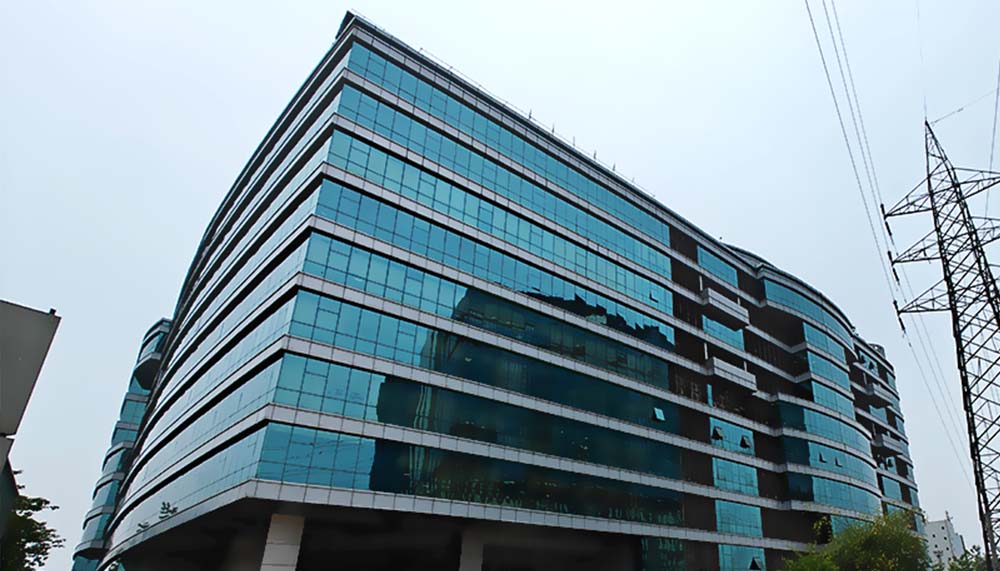
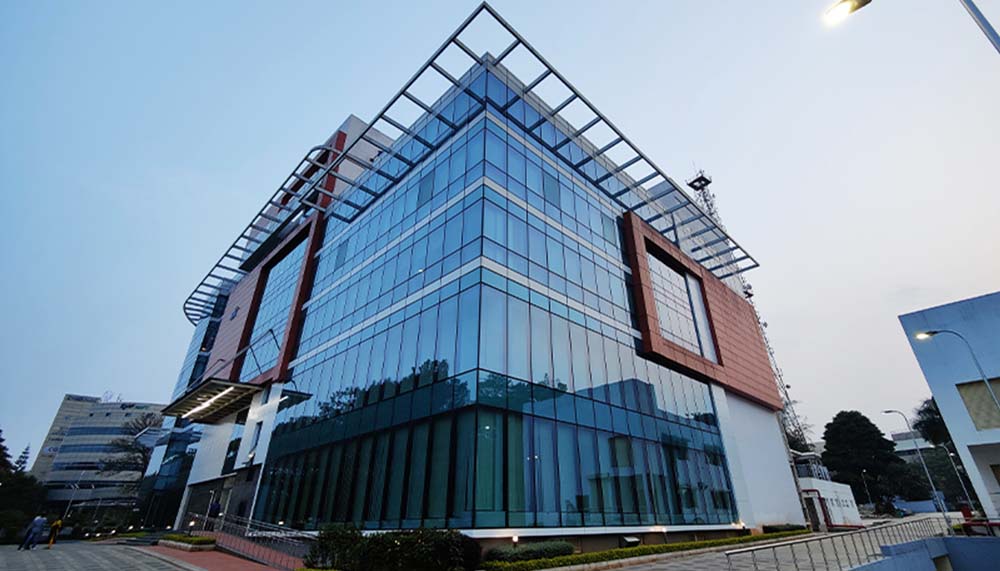
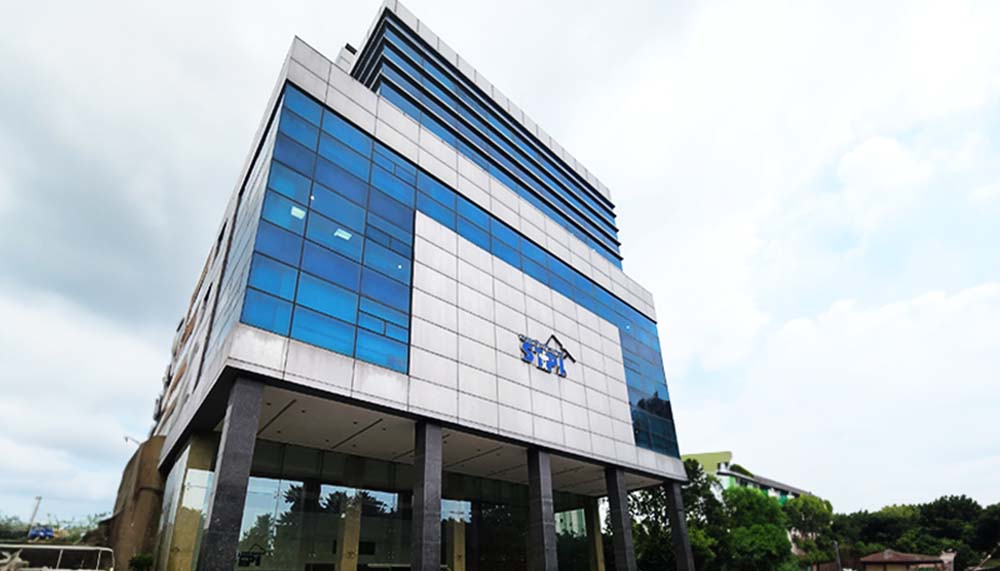
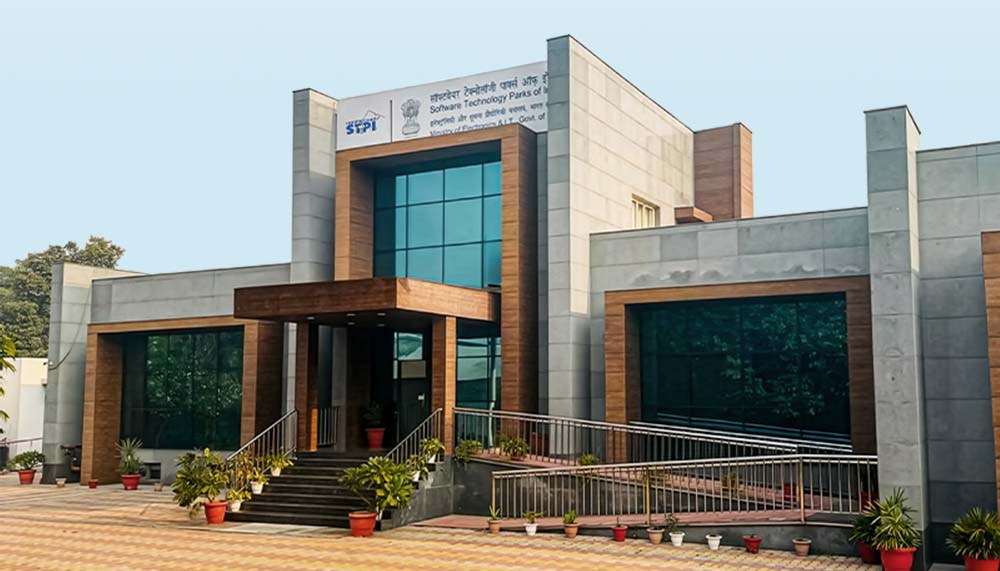
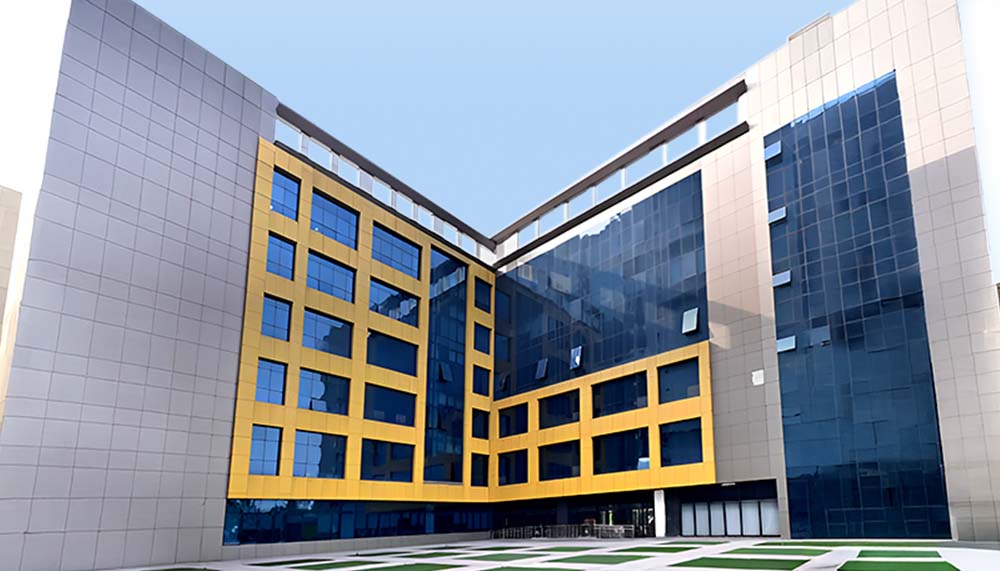
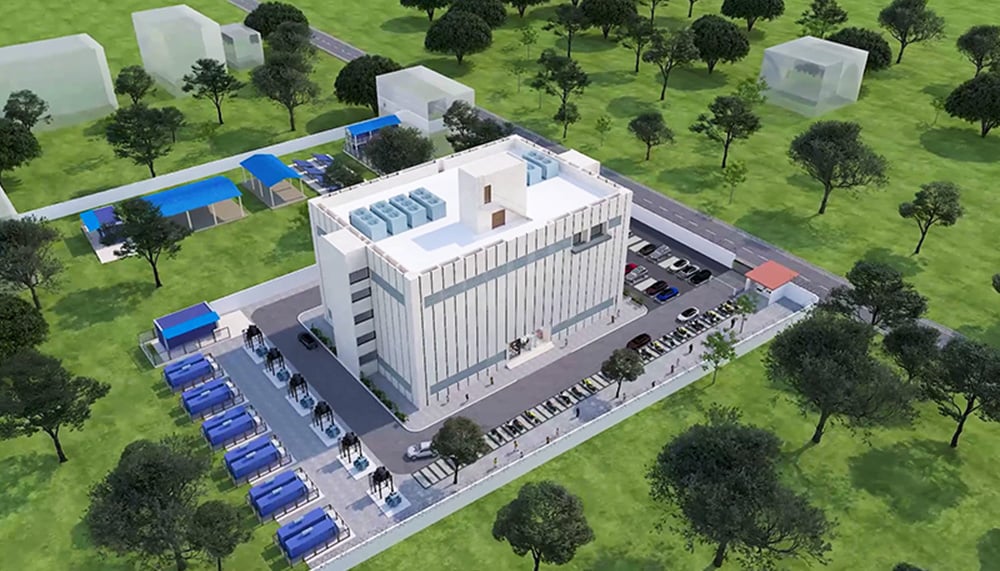
Operational across six strategic locations, delivering sovereign colocation infrastructure across India.
From Single Racks to Dedicated Data Halls
ESDS provides multiple colocation deployment models, including shared racks, private racks, dedicated cages and isolated data halls. Organizations can scale infrastructure capacity based on workload, security, performance and compliance requirements.
The Five Deployment Tiers
Shared Rack Colocation
Shared facility. Dedicated separation. Power, cooling, connectivity: all ESDS.- 1U, 2U, or 4U rack space
- Shared rack with isolated power
- Included bandwidth allocation
- Remote KVM-IP or terminal access
- 24×7 NOC monitoring included
Best for : Edge node deployments, localized disaster recovery (DR), and distributed branches.
Dedicated Rack Colocation
Your rack. Your hardware. You manage inside. We manage everything else.- Quarter (10U), Half (20U), or Full (42U) rack
- Dedicated power circuit: 3kW – 10kW
- Carrier-neutral connectivity
- Structured cabling included
- Cross-connect to other racks
Best for : Growing Indian enterprises and highly regulated mid-market corporate workloads.
Private Suite Colocation
Your locks. Your team. Your rules. Floor-to-ceiling isolation. No exceptions.- Multiple racks in isolated cage/suite
- Dedicated power: up to 20kW per rack
- Private access with biometric control
- Custom cooling configurations
Best for : High-security operations, banking infrastructure and strict national data localization mandates.
GPU-Ready Colocation
High-density. Up to 20kW per rack. Built for AI and HPC. Live. Active clients.- High-density racks: 10kW – 20kW+
- Enhanced thermal management
- NVLink-ready network infrastructure
- GPU telemetry and monitoring
- Enlight AIOps integration available
- Managed GPU ops add-on
Best for : High-Performance Computing (HPC), AI model training, and sovereign AI infrastructure scaling.
BYOD Colocation Space
Power. Cooling. Connectivity. Nothing more unless you want it.- Dedicated floor space allocation
- Power supply up to 20kW per rack
- Precision cooling infrastructure
- Carrier-neutral connectivity
- 24×7 facility access on your terms
- Remote hands available on request
- Zero ESDS access without your permission
Best for : Absolute hardware ownership, multinational cloud nodes and total operational independence.
Compliance That Holds Up in Any Room
Every ESDS data center is aligned with global and India-specific compliance standards, including ISO, PCI DSS, SOC I, II, III, CMMI Level 5 and MeitY empanelment. This enables enterprises, BFSI institutions and government organizations to meet audit, regulatory, security and procurement requirements with infrastructure designed for compliance readiness from day one.
Not Every Colocation Provider Delivers the Same Operational Outcomes
Differences in infrastructure ownership, compliance alignment and operational standards become critical in enterprise and government deployments. This comparison shows how ESDS approaches sovereign and production-ready colocation infrastructure across India.
The Difference Between Rack Space and Infrastructure Ownership
| Sr. no | Parameter | ESDS Colocation | Typical Colo Providers in India |
|---|---|---|---|
| 01 | Ownership | ✓ 100% Indian-owned and operated infrastructure. | Heavily backed by global subsidiaries with complex foreign stakes. |
| 02 | Sovereign Compliance | ✓ MeitY-empanelled and STQC-audited from day one. | Partial empanelment restricted by fragmented regional footprints. |
| 03 | GPU Ready Infrastructure | ✓ Live offering with high-density racks | Severely limited. Most multi-tenant spaces are not GPU optimized. |
| 04 | Cloud Integration | ✓ Seamless native integration with our sovereign cloud fabric and AIOps. | Deeply siloed. Colocation environments operate completely isolated. |
| 05 | Managed Services | ✓ Full stack available with unified NOC, SOC and DR under one SLA. | Limited execution scope. Offerings stop dead at the facility floor. |
When the Workload Cannot Afford to Fail, They Choose ESDS
Manufacturing. Energy. Real Estate. Logistics. Retail. Across India's most infrastructure-intensive sectors, enterprises that cannot afford downtime, data risk or jurisdictional ambiguity run their hardware here.
🏭
Manufacturing
⚡
Energy
🏗️
Real Estate
🚛
Logistics
🛍️
Retail
Tough Questions. Direct Answers.
01
If you breach the 99.99% SLA, what is the financial consequence to ESDS?
Defined financial remedies in the contract. Not service credits that offset future billing. Not an apology. Real accountability with real numbers. Ask us for the SLA terms before you sign.
02
Under DPDP, what is our legal exposure if data stored in your facility is subpoenaed by a foreign authority?
Zero. ESDS data centres are 100% Indian owned and operated. No foreign parent. No foreign jurisdiction. A foreign court has no legal standing over infrastructure governed entirely by Indian law. Your DPO can document this cleanly.
03
What happens to our infrastructure if ESDS faces a business disruption?
Your hardware is yours. Always. ESDS colocation does not create any claim over client infrastructure regardless of commercial circumstances. Physical access to your equipment is guaranteed under the contract independent of any ESDS operational event.
04
We have a board mandate for zero third-party access to our infrastructure. How does that work operationally?
Private caged suites with client-controlled biometric access. ESDS personnel do not enter without explicit client authorization. For select deployments, we have zero visibility into what runs inside the cage. Your mandate is enforceable, not just promised.
05
Our current provider is a global DC brand. What does migration actually look like and what is the risk?
Planned. Phased. Zero downtime where required. ESDS has handled migrations from global and Indian DC providers. We map your current setup, design the migration sequence, and execute with your team present. Risk is in the planning, not the execution. We have done the planning enough times to know where it goes wrong.
06
We need colocation today but cloud services in eighteen months. Does that create two separate relationships?
No. ESDS colocation, cloud, managed security, NOC and AIOps sit on the same sovereign infrastructure backbone. When your requirements evolve, the transition happens within the same environment, same team, same SLA. One relationship. One accountability. No reset.
07
What is the contractual position on power cost fluctuations over a multi-year term?
Defined at contract. No unilateral revision. If infrastructure costs shift, that is an ESDS operational risk to manage, not a pass-through to your invoice. The contract means what it says at signing
08
Can we run a DR audit or live failover test inside your facility before committing?
Yes. ESDS supports pre-commitment facility audits, DR simulation, and live failover testing under NDA. We would rather you stress-test the infrastructure before signing than discover a gap after. That is how a long-term partnership starts